 mezzomedi
Za'atar
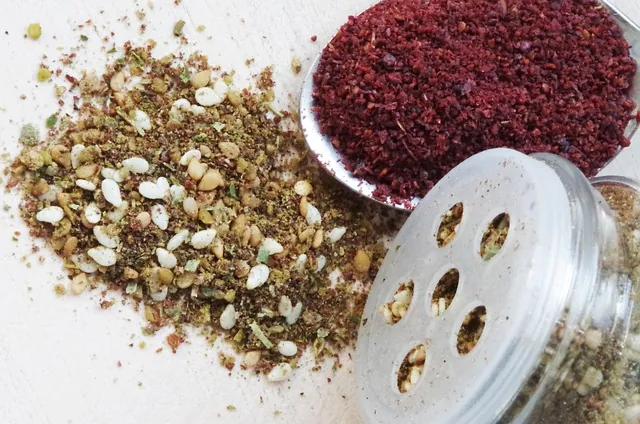
Levantine blend of thyme, sumac, and sesame, herbaceous, tart, and toasted.
Za'atar is a complex spice blend primarily composed of sumac, dried herbs, and sesame, offering a tart, herbaceous, and slightly nutty flavor profile. Granular and crumbly in texture, it is used both as a sprinkle and incorporated into sauces or oils. A major ingredient in Eastern Mediterranean cuisine, bringing vibrancy and aromatic depth.
Best pairings
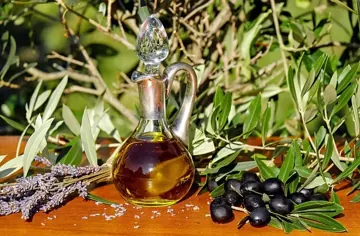 Olive oil Classic88%
Za'atar and olive oil, the dip for Levantine breads.
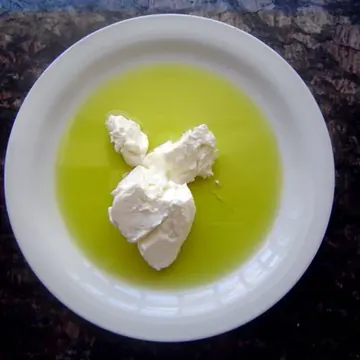 Labneh Classic87%
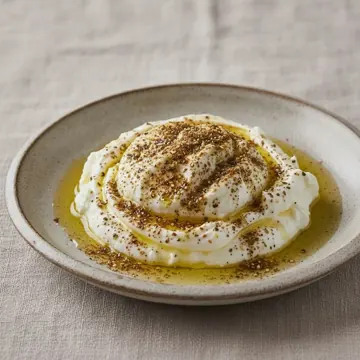
Labneh and za'atar, the quintessential Levantine mezze.
 Lemon Classic86%
Lemon's acidity complements the herbaceous and tangy flavor of za'atar.
 Bread Classic85%
Za'atar on bread and manakish.
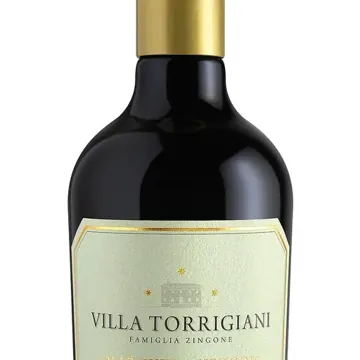 Extra virgin olive oil Classic84%
Za'atar and olive oil, the Levantine dip.
 Pita bread Classic84%
Za'atar on grilled pita (manakish).
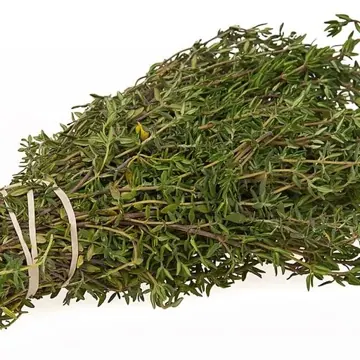 Thyme Classic84%
Fresh thyme is the main component of za'atar; a direct natural harmony.
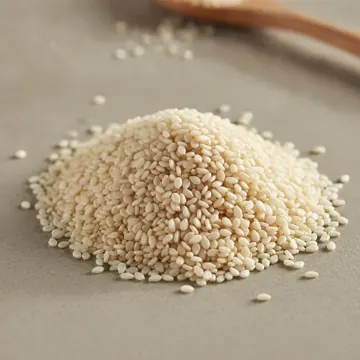 Sesame seed Classic83%
Sesame is a traditional component of Lebanese and Palestinian za'atar.
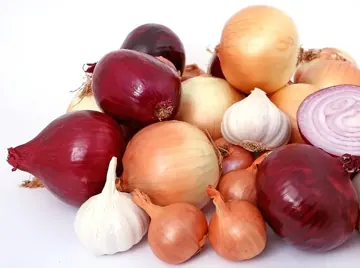 Onion Classic81%
Sweet onion creates a savory foundation for the spicy herbs of za'atar.
 Sumac Classic80%
Sumac and za'atar share bright, tangy notes typical of the Levant.
Plate builder, pantry, dishes: it's all in the app.
In the kitchen
Signature dishes
Substitutes
FAQ
What goes with za'atar?
Za'atar pairs especially well with olive oil, labneh, lemon, bread and extra virgin olive oil. Za'atar and olive oil, the dip for Levantine breads.
What can I substitute for za'atar?
If you don't have it, try: sumac, oregano, sesame seed, paprika.