 mezzomedi
Sumac
Tart and fruity sumac, dry lemony acidity typical of the Levant.
Sumac is a tart spice made from dried and ground red berries, with a lemony, slightly astringent taste. Widely used in Levantine and Middle Eastern cuisine, it adds a tart touch without moisture, perfect for enhancing Mediterranean dishes at the end of cooking or raw.

Best pairings
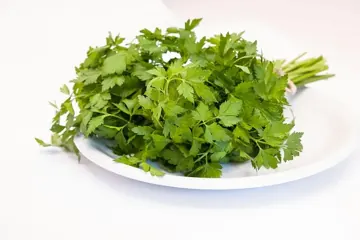 Flat-leaf parsley Classic87%
Iconic duo: fresh parsley and sumac form traditional za'atar and tabbouleh.
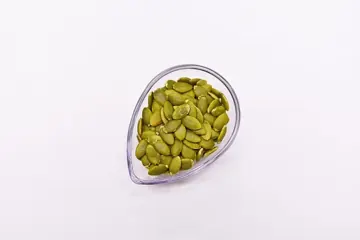 Pumpkin seed Classic86%
The vibrant, lemony acidity of Levantine sumac magnifies the toasted depth of pumpkin seeds.
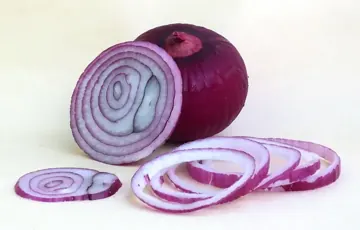 Red onion Classic85%
Sumac enhances the sweet mildness of red onion in Levantine salads.
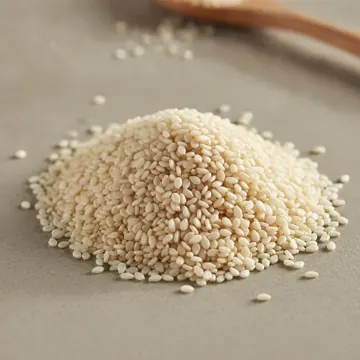 Sesame seed Classic84%
Sumac's acidity enhances the nutty richness of sesame; a classic Levantine base.
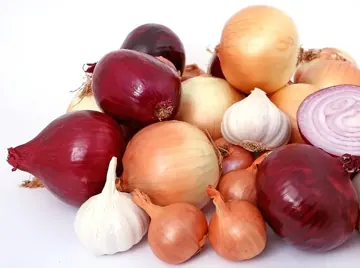 Onion Classic84%
Sumac and onion, a tangy condiment for grilled dishes.
 Chicken Classic82%
Sumac and chicken, the heart of Palestinian musakhan.
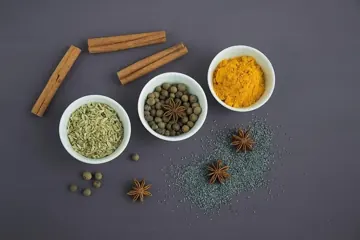 Baharat Classic81%
Complementary Levantine spice, same regional origin.
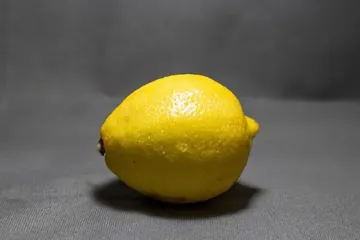 Lemon Classic80%
Both provide a delicate citrusy acidity, an essential base for sumac and Levantine cuisine.
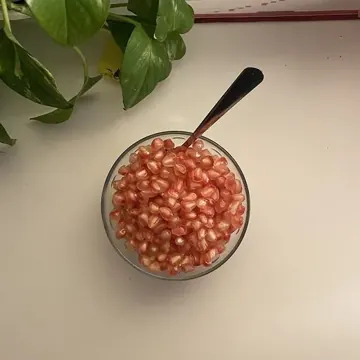 Pomegranate Classic80%
Citrusy sumac enriches the natural acidity of pomegranate in Levantine and Middle Eastern salads.
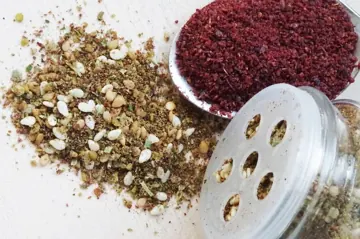 Za'atar Classic80%
Sumac and za'atar share bright, tangy notes typical of the Levant.
Plate builder, pantry, dishes: it's all in the app.
In the kitchen
Signature dishes
Substitutes
FAQ
What goes with sumac?
Sumac pairs especially well with flat-leaf parsley, pumpkin seed, red onion, sesame seed and onion. Iconic duo: fresh parsley and sumac form traditional za'atar and tabbouleh.
What can I substitute for sumac?
If you don't have it, try: za'atar, aleppo pepper, pomegranate molasses, lemon.