 mezzomedi
Rosé wine
Fresh and fruity rosé wine, summery lightness with red berry notes.
Dry or semi-dry wine with delicate nuances of red fruits and white flowers. Light and fresh, it accompanies Mediterranean dishes, providing subtle acidity and beautiful minerality. Essential in Provençal cuisine, it's enjoyed chilled but also used to deglaze and enrich sauces.

Best pairings
 Feta Classic88%
A classic Greek duo: the saltiness of creamy cheese perfectly balances with rosé's fruity lightness.
 Basil Classic88%
An authentic Provençal trio with tomato: fresh basil enhances rosé's herbaceous notes.
 Goat cheese Classic88%
Goat cheese's acidity harmonizes with rosé's balanced acidity.
 Lemon Classic86%
Citrus complementarity: lemon amplifies the fresh notes of rosé wine.
 Red onion Classic85%
Savory pairing: raw or grilled red onion harmonizes with rosé's floral notes.
 Halloumi Classic84%
Grilled Cypriot cheese: its melting and salty texture naturally pairs with Mediterranean rosé.
 Mint Classic83%
Fresh mint amplifies the subtle floral and menthol notes of Provençal rosé.
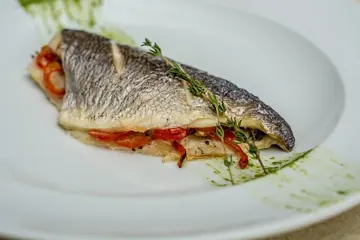 Sea bass Classic82%
Delicate white fish: a classic maritime pairing where rosé reveals the fish's briny flavors.
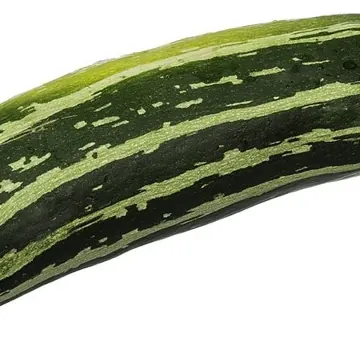 Zucchini Classic81%
A fundamental Mediterranean vegetable: light zucchini pairs perfectly with the finesse of rosé wine.
 Oregano Classic80%
Mediterranean oregano enhances the herbaceous notes and aromas of rosé wine.
Plate builder, pantry, dishes: it's all in the app.
In the kitchen
Signature dishes
Substitutes
FAQ
What goes with rosé wine?
Rosé wine pairs especially well with feta, basil, goat cheese, lemon and red onion. A classic Greek duo: the saltiness of creamy cheese perfectly balances with rosé's fruity lightness.
When is rosé wine in season?
Best season: summer.
What can I substitute for rosé wine?
If you don't have it, try: white wine, red wine, verjus.