 mezzomedi
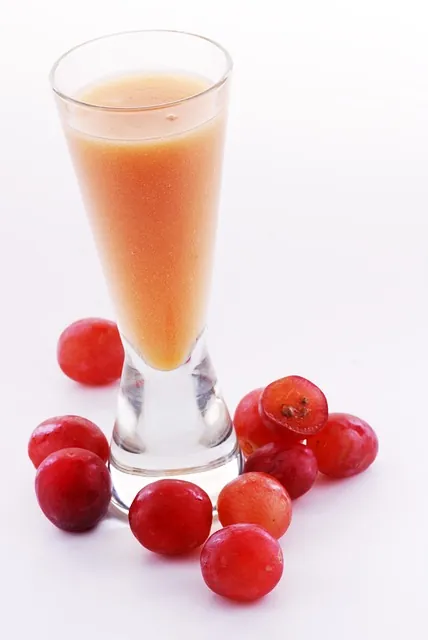
Verjus
Tangy green grape juice, milder than vinegar, fruity and fresh.
Verjuice is an acidic juice made from green or unripe grapes, offering a crisp, delicate acidity with subtle vegetal notes. It replaces vinegar or lemon in Mediterranean cuisine with greater finesse, particularly valued for enhancing fish and seafood without overpowering their flavors.
Best pairings
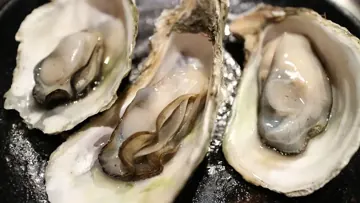 Oyster Classic87%
Verjus highlights the mineral salinity of oysters, advantageously replacing raw lemon.
 Red bell pepper Classic86%
The acidity of verjus perfectly balances the natural sweetness of roasted red pepper.
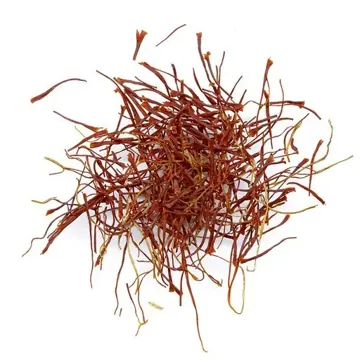 Saffron Classic84%
Shared mineral and floral notes in Provençal or Levantine pilafs and risottos.
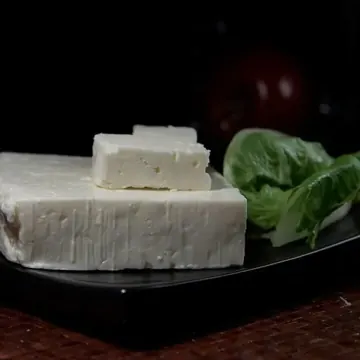 Feta Classic82%
Verjus acidity extends the salty tang of Greek feta in salads.
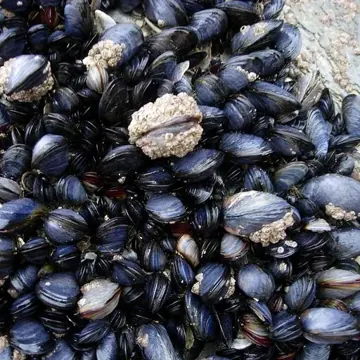 Mussel Classic81%
The bright acidity of verjus lifts and clarifies the salty marine flavors of mussels.
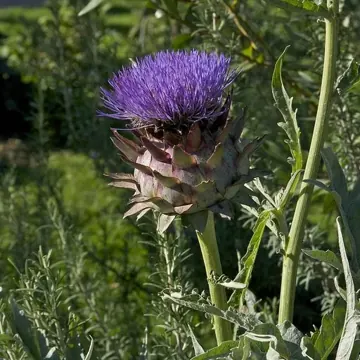 Artichoke Classic80%
Shared gentle bitterness, verjus acidity softened by the artichoke's sweet heart.
 Red mullet Classic79%
The precise acidity of verjus cuts through the fatty richness of red mullet in Provençal sour sauce.
 Extra virgin olive oil Classic78%
Verjus and olive oil, a sweet and tangy vinaigrette.
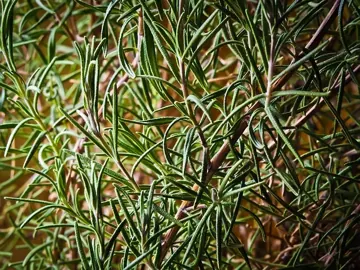 Rosemary Classic78%
Verjus, a common mineral-herbaceous base, balances rosemary's resinous intensity.
 Caper Classic77%
Two complementary Mediterranean acidifiers, capers and verjus, mutually enhance each other.
Plate builder, pantry, dishes: it's all in the app.
In the kitchen
Signature dishes
Substitutes
FAQ
What goes with verjus?
Verjus pairs especially well with oyster, red bell pepper, saffron, feta and mussel. Verjus highlights the mineral salinity of oysters, advantageously replacing raw lemon.
What can I substitute for verjus?
If you don't have it, try: wine vinegar, lemon, sherry vinegar, white wine.