 mezzomedi
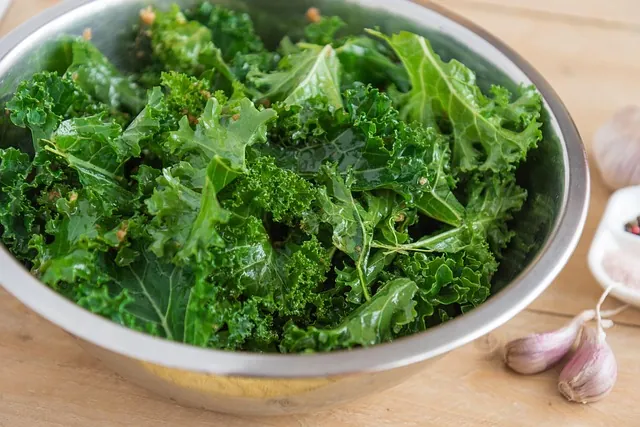
Kale
Robust and earthy leaf with marked bitterness, milder when massaged or cooked.
Kale is a cruciferous vegetable with curly leaves, a slightly bitter and fleshy flavor. It offers a robust mouthfeel with a compact texture. In Mediterranean cuisine, it is mainly used in cooked or braised versions to soften its character, accompanying autumn-winter dishes.
Best pairings
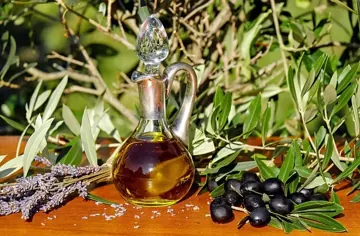 Olive oil Classic88%
A Mediterranean staple; generous oil softens kale's bitterness and enriches its flavor.
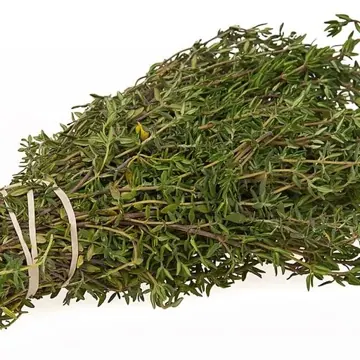 Thyme Classic85%
Provençal herb; earthy notes that anchor kale in the Mediterranean.
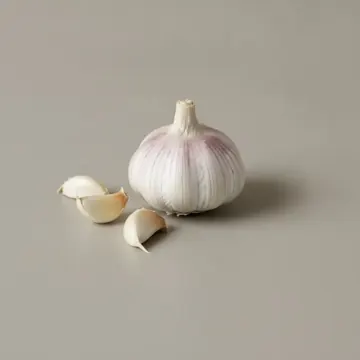 Garlic Classic84%
Kale sautéed with garlic, bitterness tamed in the pan.
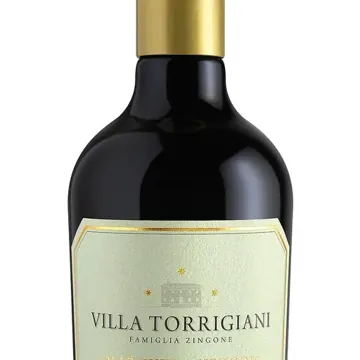 Extra virgin olive oil Classic84%
Kale massaged with olive oil, a robust salad base.
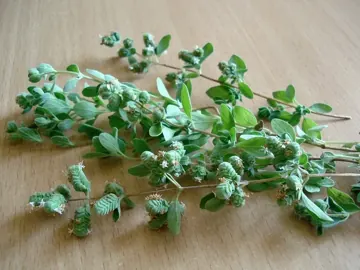 Oregano Classic84%
A dry Mediterranean herb; herbaceous pepper that enhances robustness.
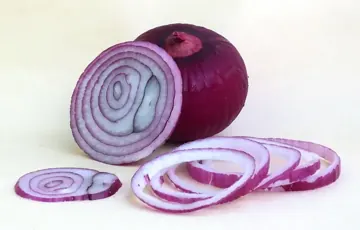 Red onion Classic83%
Sweet red onion; caramelized sugars soften its natural bitterness.
 Lemon Classic82%
Lemon tenderizes and brightens raw kale.
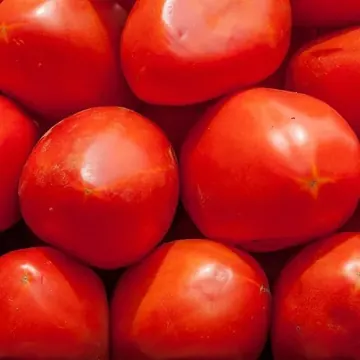 Tomato Classic82%
Umami tomato; acidity and umami create a flavorful balance when braised.
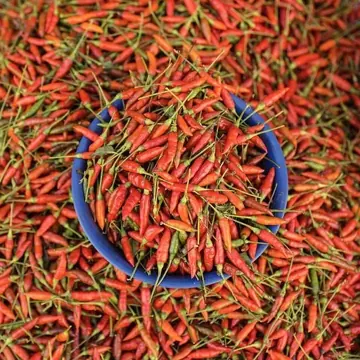 Chili pepper Classic80%
Cavolo nero, garlic, and chili, Tuscan style.
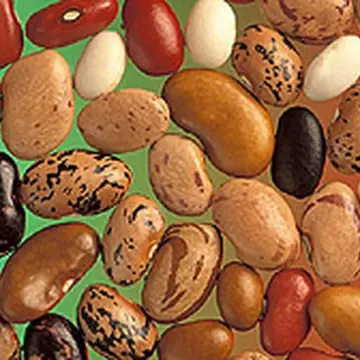 White bean Classic79%
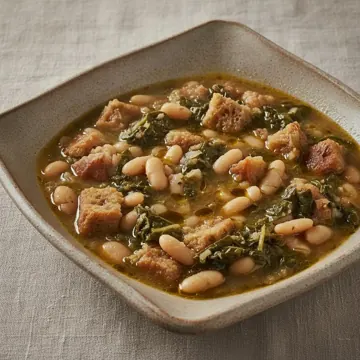
Black cabbage and white beans in Tuscan ribollita.
Plate builder, pantry, dishes: it's all in the app.
In the kitchen
Signature dishes
Substitutes
FAQ
What goes with kale?
Kale pairs especially well with olive oil, thyme, garlic, extra virgin olive oil and oregano. A Mediterranean staple; generous oil softens kale's bitterness and enriches its flavor.
When is kale in season?
Best season: winter.
What can I substitute for kale?
If you don't have it, try: cabbage, swiss chard, spinach, escarole.