 mezzomedi
Escarole
Chicory with a frank bitterness, pleasant sautéed or in a robust salad.
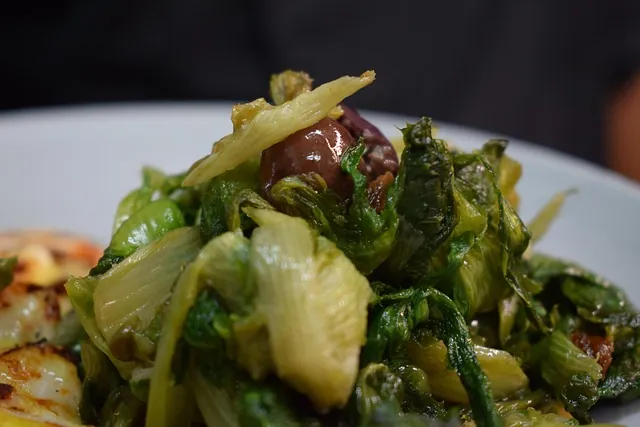
Escarole is a chicory with broad, serrated leaves, with a slightly bitter and pungent taste. Fleshy and crunchy, it is eaten raw in salads or pan-fried. It is a staple of Mediterranean cuisine, particularly in Italy and Tunisia.
Best pairings
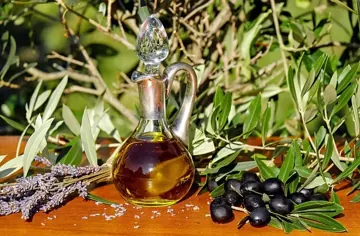 Olive oil Classic88%
A Mediterranean base, generous olive oil coats escarole and tempers its characteristic bitterness.
 Lemon Classic86%
Lemon's acidity brightens the bitterness of endive: a classic in Greek and Italian cuisine.
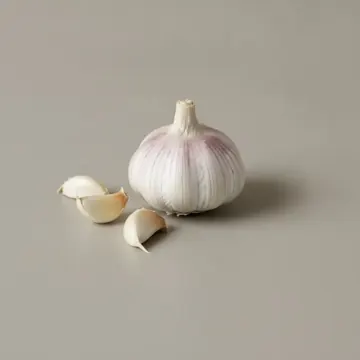 Garlic Classic84%
Escarole sautéed with garlic, bitterness mellowed in the pan (Neapolitan scarola).
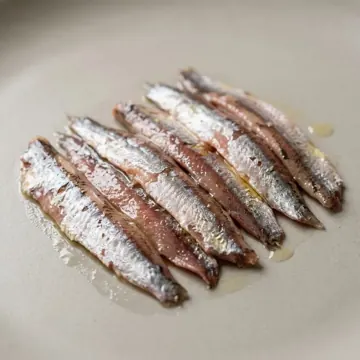 Anchovy Classic84%
Escarole and melted anchovies, a salty-bitter Neapolitan pairing.
 Black olive Classic82%
Escarole, olives, and capers in Neapolitan pie.
 Pine nut Classic80%
Escarole with pine nuts and raisins, Southern sweet and sour.
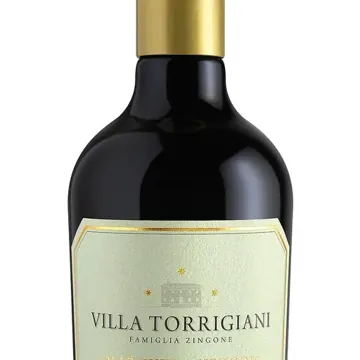 Extra virgin olive oil Classic80%
Escarole wilted in olive oil.
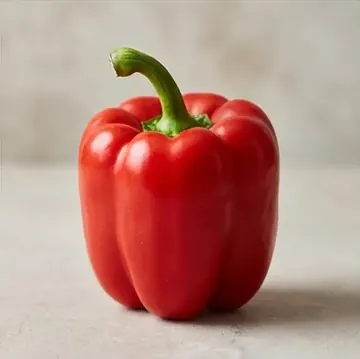 Red bell pepper Classic79%
Roasted red pepper softens bitterness and brings natural sweetness to many Mediterranean braises.
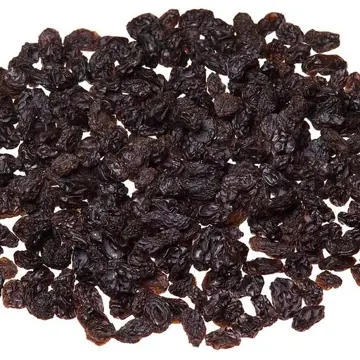 Raisin Classic78%
Raisins and bitter escarole, a sweet contrast from Southern Italy.
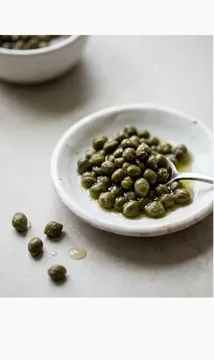 Caper Classic78%
Salty capers on braised escarole.
Plate builder, pantry, dishes: it's all in the app.
In the kitchen
Signature dishes
Substitutes
FAQ
What goes with escarole?
Escarole pairs especially well with olive oil, lemon, garlic, anchovy and black olive. A Mediterranean base, generous olive oil coats escarole and tempers its characteristic bitterness.
When is escarole in season?
Best season: autumn, winter.
What can I substitute for escarole?
If you don't have it, try: endive, radicchio, swiss chard.