 mezzomedi
Vermouth
Herb and spice-infused wine, bitter and floral, fragrant for deglazing.
Fortified wine flavored with herbs and spices, with a dry or sweet profile depending on the variant. Used in Mediterranean cuisine to deglaze, enrich sauces, and add aromatic complexity to marinades and braised dishes. Its balanced bitterness and herbal notes make it a refined complement to fish, white meats, and seasonal vegetables.

Best pairings
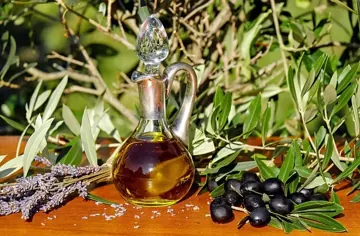 Olive oil Classic84%
A Mediterranean culinary base - vermouth as an aperitif before an olive oil-based meal, Mediterranean harmony.
 Pastis Classic83%
Vermouth, also containing anise, creates a complementary alcoholic duo in Mediterranean aperitifs.
 Lemon Classic82%
Lemon's acidity balances the herbaceous bitterness of vermouth, essential in cocktails.
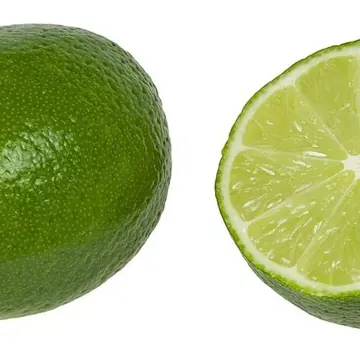 Lime Classic79%
Tropical citrus completes botanical notes, classic in a Martini.
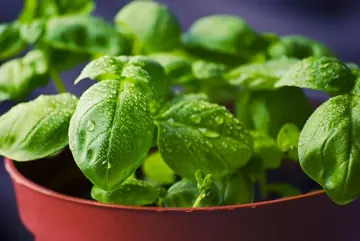 Basil Classic79%
Aromatic herbs in vermouth echo those of fresh basil in cooking.
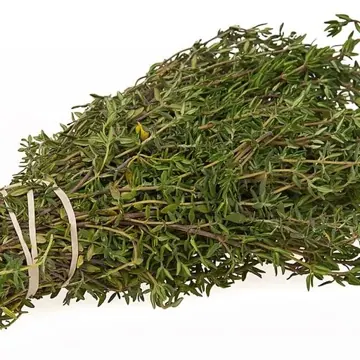 Thyme Classic78%
Provençal thyme in vermouth reflects Mediterranean cuisine.
 Rosemary Classic77%
Rosemary is a key ingredient in French vermouth – a direct botanical harmony.
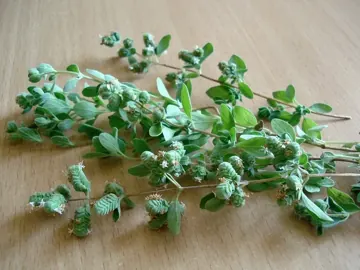 Oregano Classic75%
Greek/Italian oregano harmonizes with vermouth's herbaceous profile in Mediterranean cuisine.
 Orange Classic74%
Vermouth and orange zest, the aromatic aperitif.
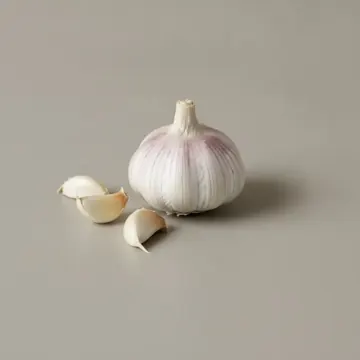 Garlic Classic74%
Vermouth as an aperitif before a Mediterranean garlic dish, opening the palate.
Plate builder, pantry, dishes: it's all in the app.
In the kitchen
Signature dishes
Substitutes
FAQ
What goes with vermouth?
Vermouth pairs especially well with olive oil, pastis, lemon, lime and basil. A Mediterranean culinary base - vermouth as an aperitif before an olive oil-based meal, Mediterranean harmony.
What can I substitute for vermouth?
If you don't have it, try: verjus, white wine, sherry vinegar.