 mezzomedi
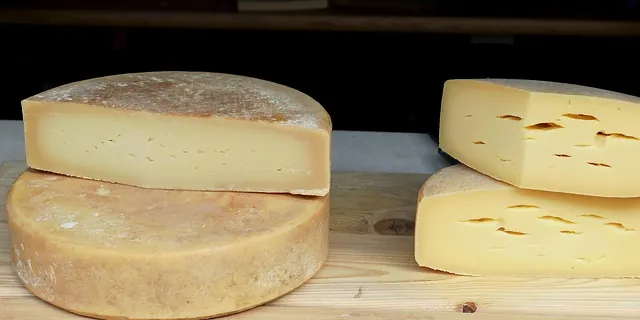
Kefalotyri
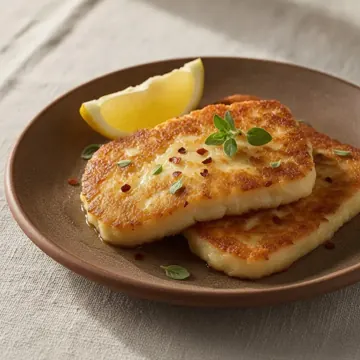
Very salty, pungent hard Greek cheese, ideal grated or grilled as saganaki.
Traditional Greek hard cheese, made from goat's or sheep's milk. It offers a full-bodied, salty taste, with a granular texture that breaks cleanly. Kefalotyri is used grated over dishes, grilled, or fried, bringing flavor and character to Mediterranean cuisines.
Best pairings
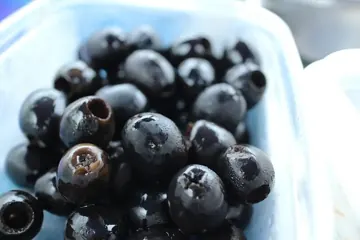 Black olive Classic86%
An absolute Greek classic: black olive and kefalotyri share a similar salty bitterness and complement each other on the palate.
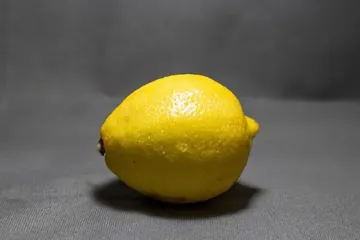 Lemon Classic82%
Saganaki: grilled kefalotyri flambéed with lemon.
 Honey Classic82%
Ancient Greek pairing: sweet sugar balanced by salty cheese, creating a classic palate equilibrium.
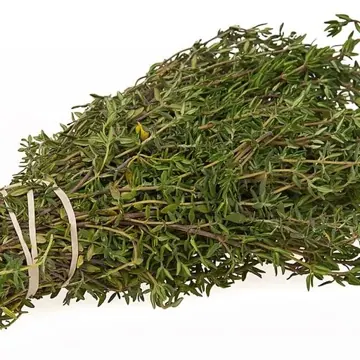 Thyme Classic81%
Mediterranean herb whose slight bitterness marries the persistence of kefalotyri in gustatory perfumery.
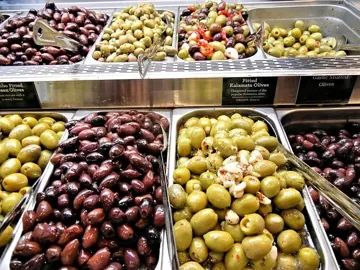 Kalamata olive Classic80%
The quintessential Greek olive: its dark color and resinous richness subtly complement the cheese.
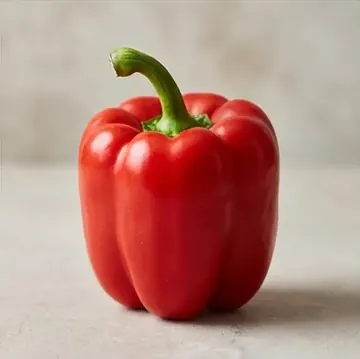 Red bell pepper Classic79%
Sweet pepper softens the hardness of grilled or salad kefalotyri, creating a sweet-salty balance.
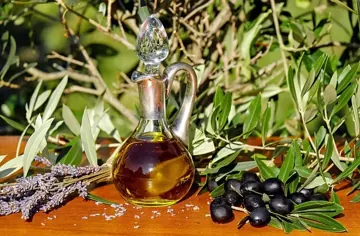 Olive oil Classic78%
Olive oil on grilled kefalotyri.
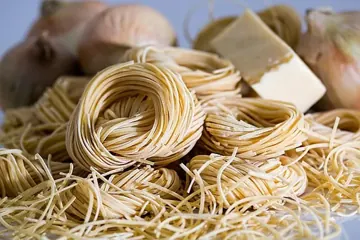 Pasta Classic78%
Grated kefalotyri on Greek pasta (pastitsio).
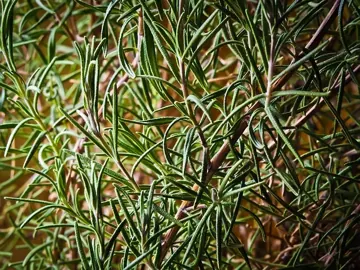 Rosemary Classic78%
A woody Mediterranean herb whose resinous notes marry the persistence of hard Greek cheese.
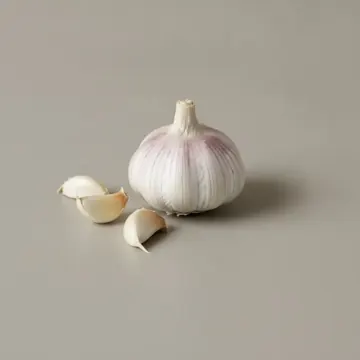 Garlic Classic77%
Pungent, persistent garlic enhances the salty impact of cheese in Mediterranean preparations.
Plate builder, pantry, dishes: it's all in the app.
In the kitchen
Signature dishes
Substitutes
FAQ
What goes with kefalotyri?
Kefalotyri pairs especially well with black olive, lemon, honey, thyme and kalamata olive. An absolute Greek classic: black olive and kefalotyri share a similar salty bitterness and complement each other on the palate.
What can I substitute for kefalotyri?
If you don't have it, try: kashkaval, pecorino, parmesan, manchego.