 mezzomedi
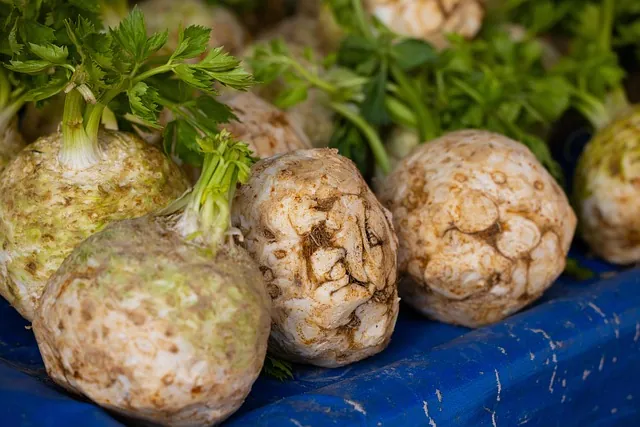
Celeriac
Earthy and mild celery aroma, melting flesh with a nutty taste.
A round, knobby root with a delicate celery and nutty taste, and a firm, floury texture. It is cooked roasted, pan-fried, or pureed, bringing a subtle and slightly sweet flavor to Mediterranean dishes.
Best pairings
 Parmesan Classic88%
An essential Mediterranean pairing: Parmesan's umami enhances the subtle sweetness and slight nuttiness of roasted celeriac.
 Lovage Classic88%
A celeriac root sharing the same volatile molecules, an essential pairing in traditional Provençal cuisine.
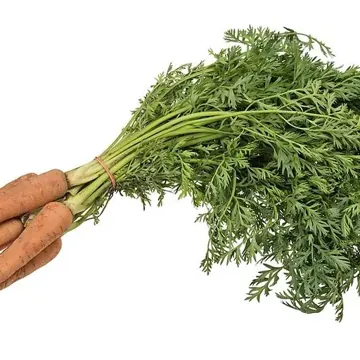 Carrot Classic86%
Traditional duo for Mediterranean mirepoix and soups: sweet, light roots that harmoniously complement each other in braises or sautés.
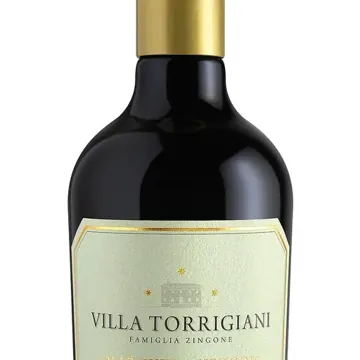 Extra virgin olive oil Classic82%
Roasted celeriac with olive oil offers earthy, nutty sweetness.
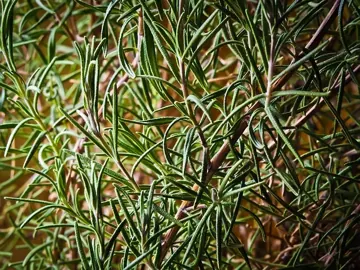 Rosemary Classic82%
A recurring Provençal and Italian pairing: rosemary's resinous scent enhances roasted celeriac's herbaceous notes.
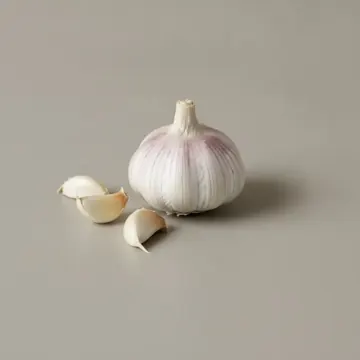 Garlic Classic81%
Inevitable in the Mediterranean: confit garlic softens the fibrous texture of celeriac and creates a mild umami note.
 Lemon Classic80%
Lemon brightens grated celeriac in salads.
 Mustard Classic80%
Celeriac remoulade; the mustard's tang awakens it.
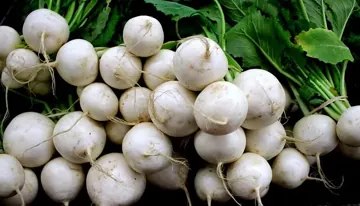 Turnip Classic80%
Root companion with complementary celery-earthy flavor, a savory duo in Mediterranean stews.
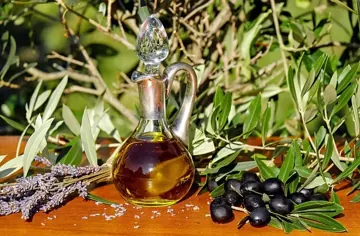 Olive oil Classic79%
Foundation of all Mediterranean cuisine: generous olive oil tenderizes and enriches sweet celeriac stew.
Plate builder, pantry, dishes: it's all in the app.
In the kitchen
Signature dishes
Substitutes
FAQ
What goes with celeriac?
Celeriac pairs especially well with parmesan, lovage, carrot, extra virgin olive oil and rosemary. An essential Mediterranean pairing: Parmesan's umami enhances the subtle sweetness and slight nuttiness of roasted celeriac.
When is celeriac in season?
Best season: autumn, winter.
What can I substitute for celeriac?
If you don't have it, try: carrot, potato.