 mezzomedi
Cardoon
Similar to artichoke, bitter and vegetal stem with melting flesh.
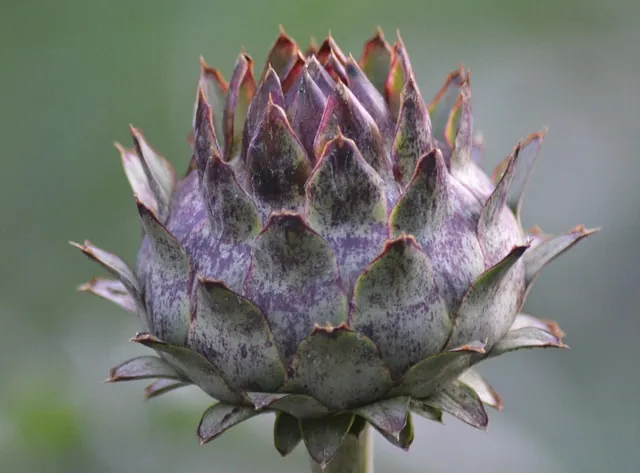
Cardoon is a vegetable from the thistle family, with a subtle taste reminiscent of artichoke and a fibrous, delicate texture. An essential part of winter Mediterranean cuisine, it is appreciated for its long fibers that require special preparation but offer a mild and slightly bitter flavor.
Best pairings
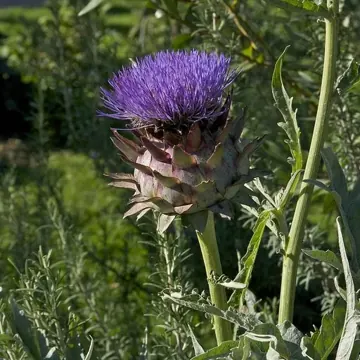 Artichoke Classic88%
Very similar flavors, cardoon is a wild cousin of cultivated artichoke, with nutty and green notes.
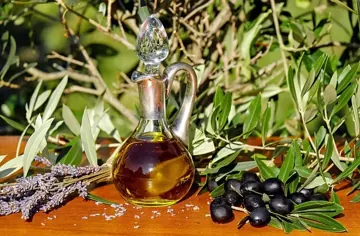 Olive oil Classic88%
An essential base in the Mediterranean, olive oil enriches the delicacy of cardoon.
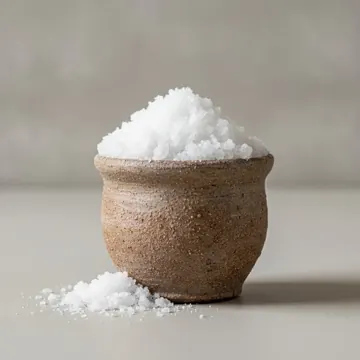 Sea salt Classic87%
Mineral salt highlights cardoon's natural delicacy.
 White wine Classic85%
Traditional deglazing for cooking cardoon, its floral aromas complement the vegetable.
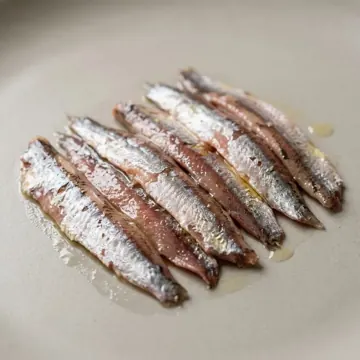 Anchovy Classic82%
Cardoons with bagna cauda: melted anchovies and garlic.
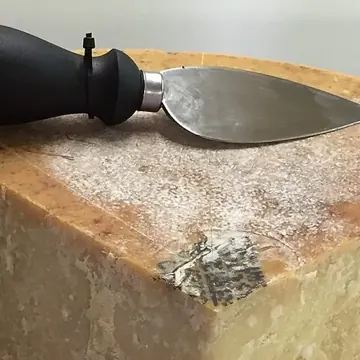 Parmesan Classic82%
Parmesan-gratinated cardoons: tender and umami.
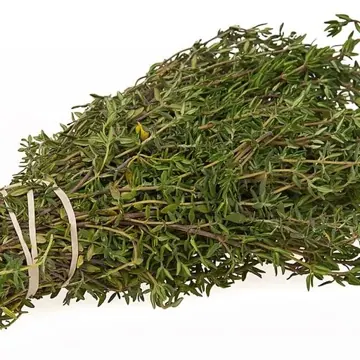 Thyme Classic81%
Classic Provençal herb that adds a subtle herbaceous note to braised cardoon.
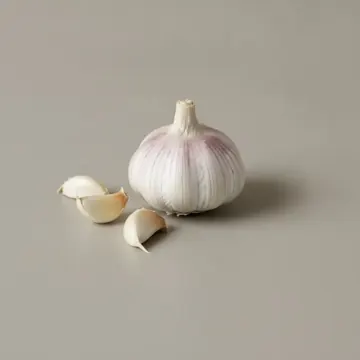 Garlic Classic80%
Garlic and cardoons, the base of Piedmontese bagna cauda.
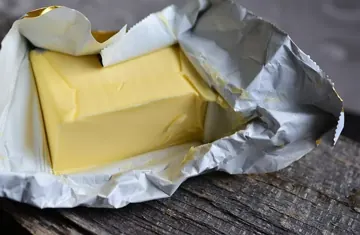 Butter Classic78%
Braised cardoons with butter, sweetness over bitterness.
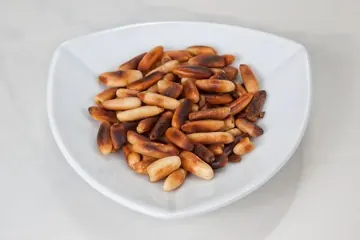 Pine nut Classic78%
Resinous and nutty notes that echo the delicate aromas of cardoon.
Plate builder, pantry, dishes: it's all in the app.
In the kitchen
Signature dishes
Substitutes
FAQ
What goes with cardoon?
Cardoon pairs especially well with artichoke, olive oil, sea salt, white wine and anchovy. Very similar flavors, cardoon is a wild cousin of cultivated artichoke, with nutty and green notes.
When is cardoon in season?
Best season: winter.
What can I substitute for cardoon?
If you don't have it, try: artichoke, celery, fennel.