 mezzomedi
Borlotti bean
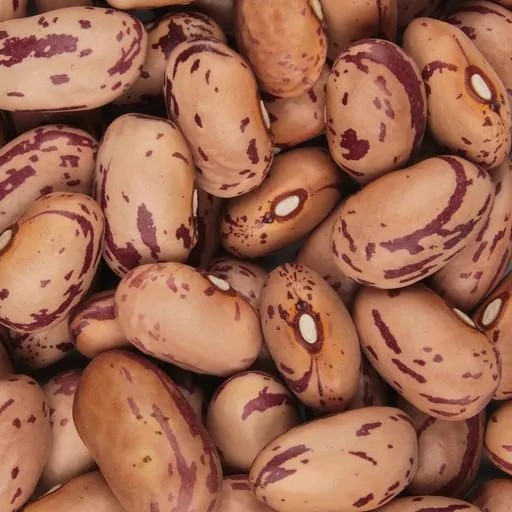
Marbled pink bean with creamy flesh and a chestnut flavor.
Borlotti beans are dried beans with a marbled red and white coat, offering a slightly sweet taste and a tender texture after cooking. They play a central role in Mediterranean cuisine, particularly Italian, where they are valued for their delicate flavor and ability to absorb the aromas of accompaniments.
Best pairings
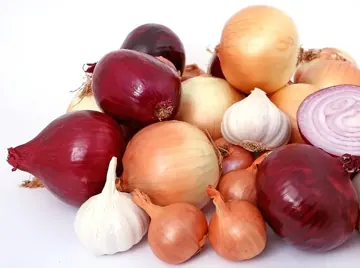 Onion Classic88%
A crucial aromatic base for soffritto and bean stews.
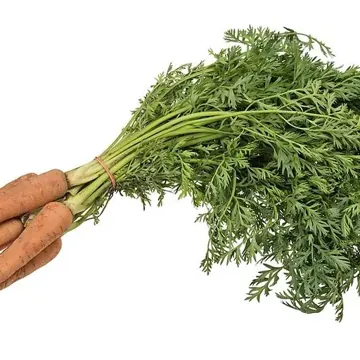 Carrot Classic86%
Completes the soffritto trio with onion and celery for succulent stews.
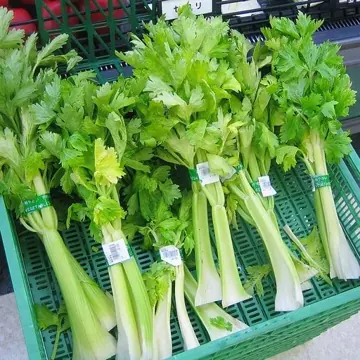 Celery Classic85%
Third element of soffritto, bringing freshness and aromatic structure.
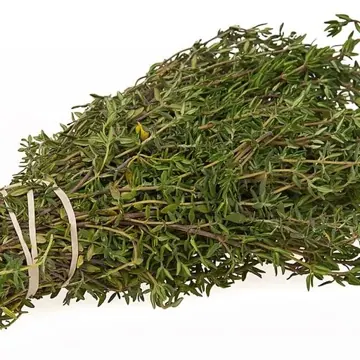 Thyme Classic83%
Sweet and herbaceous herb that balances the richness of legumes.
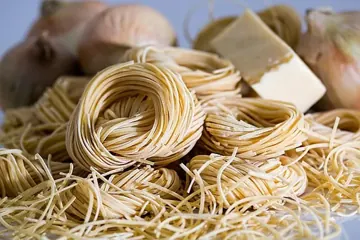 Pasta Classic82%
Pasta e fagioli: borlotti beans and pasta, a classic Italian soup.
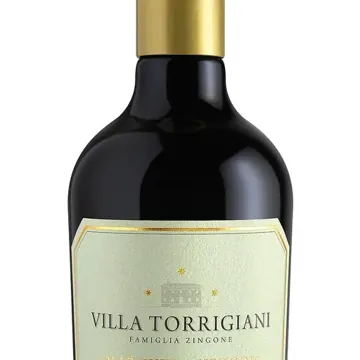 Extra virgin olive oil Classic82%
Borlotti beans with olive oil, for creamy sweetness.
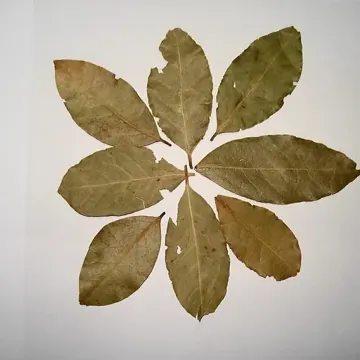 Bay leaf Classic81%
Adds depth and complexity to soups and long-simmered dishes.
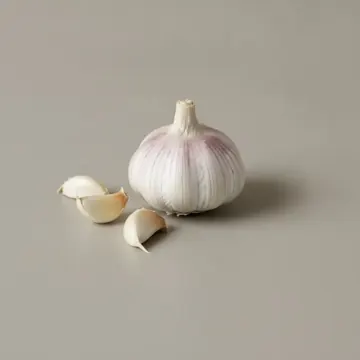 Garlic Classic80%
Garlic and borlotti, a base for soups.
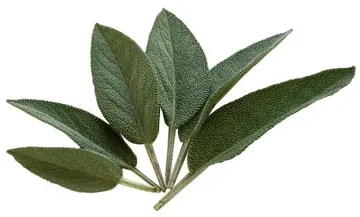 Sage Classic80%
Sage and borlotti in soups and stews.
 Red wine Classic79%
Traditional deglazing that enriches beans with beautiful depth.
Plate builder, pantry, dishes: it's all in the app.
In the kitchen
Signature dishes
Substitutes
FAQ
What goes with borlotti bean?
Borlotti bean pairs especially well with onion, carrot, celery, thyme and pasta. A crucial aromatic base for soffritto and bean stews.
When is borlotti bean in season?
Best season: autumn.
What can I substitute for borlotti bean?
If you don't have it, try: cannellini bean, white bean, chickpea.